
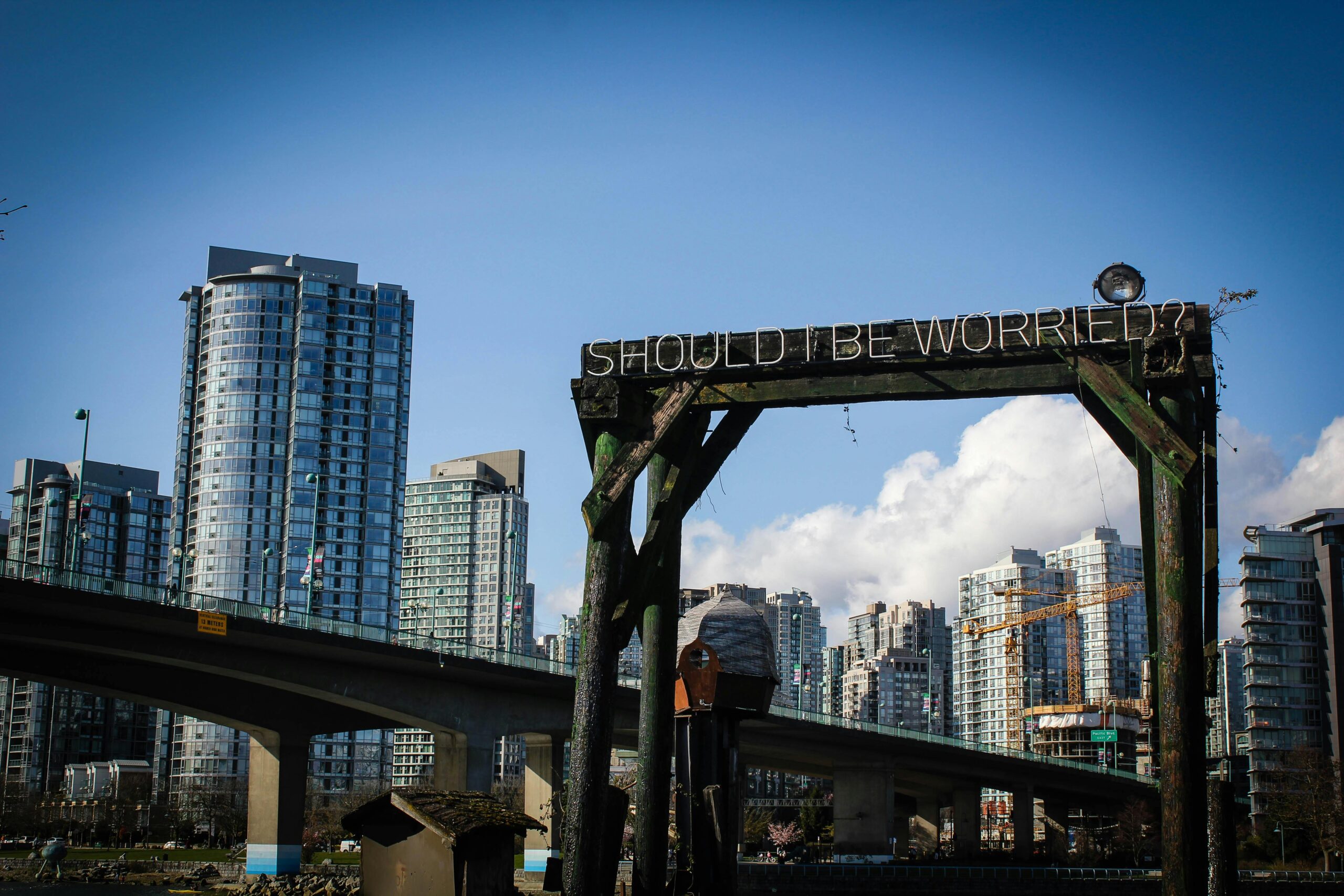
Vancouver Housing Supply Crisis
A Cooling Market Won’t Fix Metro Vancouver’s Housing Crunch
Metro Vancouver Housing Supply Crisis will be something of the future. While Metro Vancouver’s housing market is currently experiencing a period of cooling characterized by slower sales and improved condo affordability, these temporary market forces do not solve the region’s deeper, persistent housing crunch. Absent major policy changes to increase supply and reduce development costs, the current slowdown is merely masking a looming future crisis, likely to result in soaring prices later in the decade.
The Current Market Illusion
Despite price declines in Vancouver, Victoria, and Toronto tracked by the Royal Bank, Metro Vancouver remains Canada’s most expensive housing market. For single-family homes, ownership costs are prohibitively high, consuming an estimated 126 per cent of the median pre-tax household income (assuming a 20 per cent down payment). While condo affordability has seen modest improvement, now absorbing 48 per cent of average household income (down from 60 per cent in early 2024), this figure is still dramatically higher than in cities like Calgary (22 per cent) and Toronto (37 per cent).
This environment has led to subdued sales, abundant listings, and a shift to a buyer’s market, with prospective buyers anticipating further price softening. However, the persistently high costs are driving significant outmigration of residents, draining talent, and eroding British Columbia’s overall competitiveness, a factor of mounting concern for local businesses.
The Looming Supply Crisis
The paradox of current conditions: on one hand, new housing completions have recently surged to around 4,000 per month, nearly double the average since 2010, resulting in 63,000 dwelling units currently under construction in Metro Vancouver. This temporary surge provides buyers with choice and breathing room.
On the other hand, the forward-looking residential construction sector is poised for a major downturn. Due to the high-cost environment, recent market softness, developer layoffs, and an expanding list of cancelled multi-family construction projects, new housing starts are forecast by the authors to drop significantly. This contradicts the provincial government’s own projections of marginal increases in housing starts for 2026 and 2027. The article stresses that a period of depressed construction starts will inevitably set the stage for a return to spiking prices later in the decade, even as demographic forces—specifically a large and growing millennial cohort aged 25-39—suggest demand will revive, especially once immigration levels rebound post-2028. For the next few years, any genuine affordability improvement must come from continued price declines, as strong income growth is unlikely.
Call to Action: Focus on Costs and Processes
Provincial and municipal politicians have to stop trying to verbally influence the market and instead concentrate on fundamental, supply-side solutions. The political discourse on “building more homes” is seen as ineffective rhetoric unless matched by tangible action to reduce the costs and delays developers face.
The primary policy recommendations are clear and direct:
-
Lower development charges (DCCs, CACs, and other fees).
-
Streamline approval and permitting processes.
These steps are crucial to making sure that more projects “pencil out” and avoid the impending crash in new supply. Without such reforms, Metro Vancouver’s affordability crisis will continue to undermine its economic and social health.
Related Articles:
-
For a closer look at the municipal government’s efforts to address the housing crisis and development costs, see Will the City of Vancouver’s recent changes spur new housing construction?
-
An analysis of how local regulatory policies exacerbate the affordability problem, including statistics on median income versus home prices: Opinion: Local policies contribute to Metro Vancouver’s housing affordability woes.
-
For context on the City of Vancouver’s official policy goals, review the Housing Vancouver Strategy.
This video provides additional context on the prolonged sales slump in the region: Vancouver’s housing ‘slowdown’ now more than 3 years old.
Click here to go back to News.
Always at your side,
George Diaconu
Top 10% Realtor Lower Mainland
Top 5% Realtor Nationally RLP
www.gd-realty.ca







Leave A Comment
You must be logged in to post a comment.